Speed to Talent Is Speed to Market
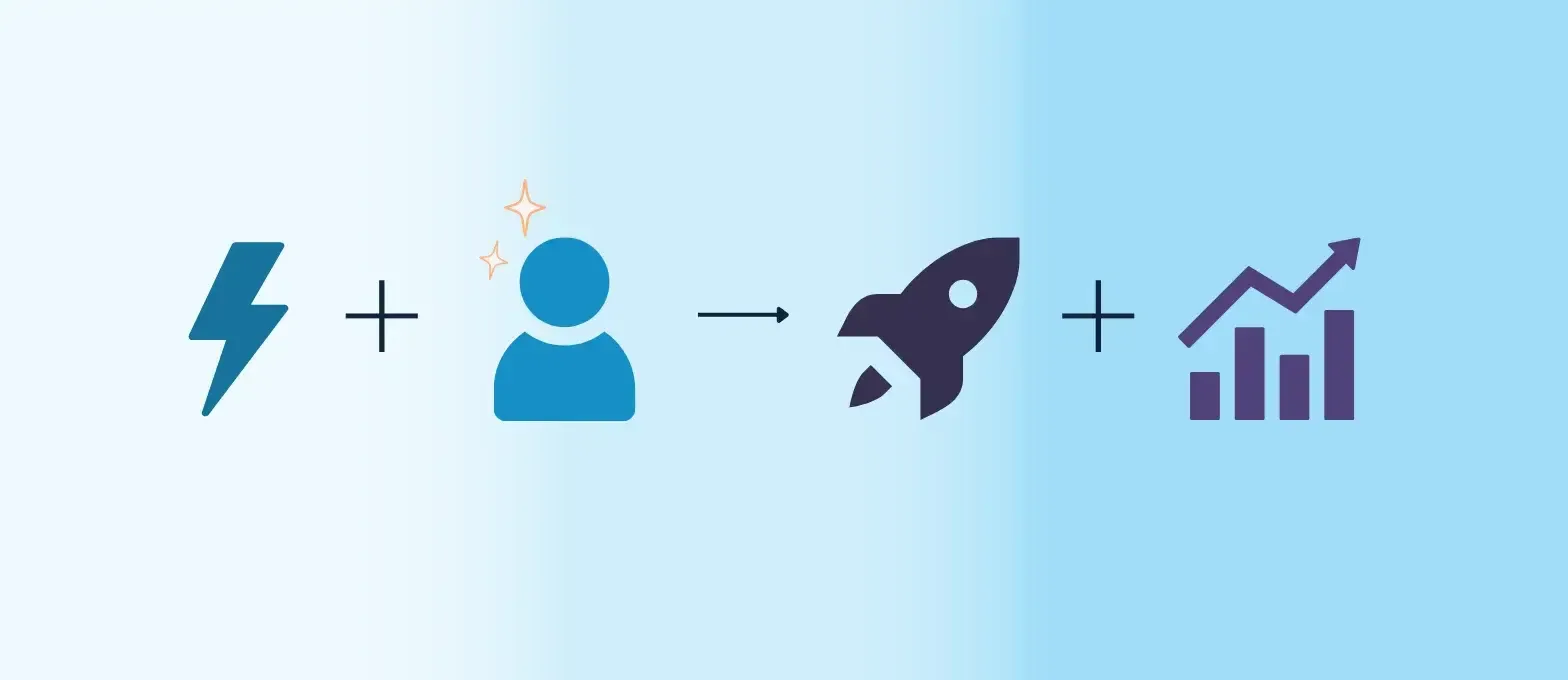
Long Hiring Timelines Are a Competitive Failure
In tech, speed isn’t a nice-to-have, it’s a survival trait. Yet many companies are still hiring as if time were abundant, accepting multi-month recruiting cycles, extended interview loops, and long onboarding periods as “just how it works.”
It isn’t.
In today’s market, long hiring timelines are a competitive failure. The cost of moving slowly is far higher than most organizations realize.
Every Empty Role Has a Price Tag
When a critical technical role sits unfilled, the impact isn’t theoretical, it’s measurable. Product launches get delayed, and roadmaps get reshuffled. As technical debt piles up, teams are burning out trying to cover the gap.
Most importantly, this stagnation means developers are not creating value for the business.
High-performing teams create value when code ships, systems scale, and products improve. Every week a role remains open is a week where none of that progress happens.
Multiply that delay across multiple roles, and the opportunity cost becomes enormous. The company experiences everything from missed revenue and lost market share to slower response to customer needs.
Why Traditional Hiring Is Too Slow for Modern Tech
Despite the stakes, many organizations still rely on hiring models built for a different era.
The old model requires:
- Weeks of sourcing and screening candidates
- Multiple interview rounds
- Offer negotiations that drag on
- A notice period before a new hire even starts
- Months of ramp-up before a new hire can provide meaningful contribution
By the time a role is fully productive, three to six months may have passed since the original need was identified. In fast-moving markets, that delay is detrimental.
Speed to Market Is Now a Talent Problem
Companies often talk about speed to market in terms of product strategy or engineering processes. But increasingly, speed to market is constrained by how fast teams can access the right talent.
If your product roadmap depends on scaling a platform, modernizing legacy systems, launching new features, or supporting growth initiatives – then hiring velocity becomes a strategic concern instead of an HR one.
The ability to deploy skilled engineers quickly can mean the difference between leading the market and playing catch-up, and that is a risk no business should take.
The Hidden Risk of the “Perfect Hire”
One of the most common justifications for slow hiring is the pursuit of the “perfect” candidate, but perfection comes at a cost.
While teams wait for the ideal resume, competitors are deploying products. Your customers are choosing alternatives. Internal teams are compensating, often at the expense of quality, morale, or long-term sustainability.
In reality, the perfect hire who starts in four months is often far less valuable than a highly qualified professional who can start contributing next week. In the ever evolving and fast paced landscape of tech, momentum matters.
What Fast-Moving Companies Do Differently
High-performing tech organizations don’t eliminate rigor, they eliminate friction. They design their hiring and delivery models around speed with confidence, not speed at all costs.Realistically, that means they outsource hiring. This offers businesses access to pre-vetted & experienced talent, shortened onboarding times, clear role expectations, and engineers who are productive from day one.
Instead of building everything from scratch, these companies tap into trusted talent networks that allow them to scale teams as needs arise.
At Jobsity, we provide the trusted talent network that helps companies move from identifying a need to deploying qualified candidates in a fraction of the time traditional hiring requires. The result is a hiring model that supports momentum rather than derailing it.
This shift turns hiring from a bottleneck into a growth lever.
Why “Days, Not Weeks” Is the New Standard
In an ideal model, companies can identify a skills gap, select from vetted professionals, and deploy talent onto projects within days.
This isn’t about cutting corners, this is about removing unnecessary delays that don’t add value.
When engineers join teams already familiar with modern tech stacks, agile environments, and real-world delivery pressures, ramp-up time shrinks dramatically.
The result? Faster execution, quicker wins, and sustained momentum.
Our talent pipeline at Jobsity is designed for speed, readiness, and long-term team integration to drive your business forward, no waiting period required.
Nearshore Talent and Speed Without Compromise
For many companies, nearshore delivery has become the fastest way to align speed with quality. Nearshore teams offer immediate access to experienced professionals and strong technical expertise across modern stacks, all while collaborating in the same time zone. This allows businesses flexible scaling without the burden of long-term overhead.
Jobsity’s LATAM talent network embodies this approach by combining technical expertise with geographic and cultural alignment, helping teams move quickly while maintaining strong collaboration and delivery standards.
Teams can move forward uninhibited when open roles are filled quickly, meaning continuous growth towards building, shipping and improving.
The Bottom Line
In tech, time lost is opportunity lost.
Long hiring timelines don’t just slow teams down, they quietly erode competitiveness. The companies that win aren’t necessarily the ones with the biggest teams or budgets; they’re the ones that can act quickly when opportunity appears.
Speed-to-market now depends on speed-to-talent. In a market where every week counts, waiting months to hire is a luxury no company can afford.
Get the right talent quickly with Jobsity’s LATAM talent pipeline. See how it works.



Joey Rubin is a strategist, writer, and learning designer with experience in SaaS, education, and digital media. He specializes in transforming complex ideas into clear, engaging content that connects technology with people, bringing a focus on storytelling, clarity, and human-centered solutions.